Music performance is an important element of music in our
culture (Western culture). Since we have developed our music around a specialized
segment of society, quality standards are technically and artistically high,
and a high degree of proficiency is required within this specialized world in
order to be successful. In a democratic western society, our goal as music
educators, besides providing each student with the possibility of express
musically, must be to also provide our students with the necessary skills to be
successful if they were to decide to become professional musicians or to follow
any profession related to music and music industry.
In the field of music performance, these skills are highly
technical, and require constant practice. The development of psychomotor skills
is a process that may imply time and effort, especially considering the three stages
of this process: cognitive, associative, and automatic stages (Psychomotor
Learning, 2010, as cited in Bauer, 2014). The development of self-efficacy and
intrinsic motivation are key to a consistent development a set of good
practices necessary for success (Bauer, 2014).
Luckily, technology can be our ally, since it offers more
affordances than ever as a tool to practice with. Desktop and web based metronomes
and tuners can help to optimize a practice session. Access to video and audio
recordings can be used as a tool for modeling, which is crucial for the
development of standard technical skills (Bauer, 2014). Audio tracks, MIDI
files, MIDI capable software, notation software, and special software designed
to generate accompaniments can be used either to enhance the practical of
technical exercises or to simulate the presence of a live accompanist, which
can prove to be essential for students and schools without enough resources to
have an accompanist.
On the stage performance aspect, technology can also provide
new possibilities. It is important to understand that the traditional ensemble
setting is not all encompassing, and that an estimated 80% of students do not
participate in them or any other music class in high school (Bauer, 2014). To
remain focused exclusively in the remaining 20% is an undemocratic practice. It
would be naive to assume that the 80% of students that do not participate in
school music have interest in music what so ever. Music is there and students
are part of it, and the 80%-20% is not reflect of music participation or music
interest, but of a systemic failure to become relevant in the musical life of
the majority. The creation of new ensembles accord to the musical practice of
our students is imperative. Technology might provide the means to implement
these new ensembles and to encourage self-efficacy in their participants.
The creation of digital ensembles might offer new aesthetic
possibilities that can be of interest to our students. This type of ensembles
may offer students the chance to perform without having the need of a high
proficiency level in a traditional instrument (Bauer, 2014). Also, since the
standards of quality of such ensembles is not yet defined, technical proficiency
might not be the main focus.
One constraint to this technological approach can certainly
be the access to adequate software and hardware. Software might be expensive
and, if used with low quality hardware, it may behave in a faulty way. The purchase
of powerful computers and audio devices might prove out of the possibilities of
many schools. The implementation of a digital ensemble might be unpractical if
there is no access to adequate amplification. In order to become a democratic
community, music educators should develop networks to promote the use of the
best software possible at the lowest cost. Programs with plenty economic
resources will not have issues in finding appropriated software and hardware.


VS
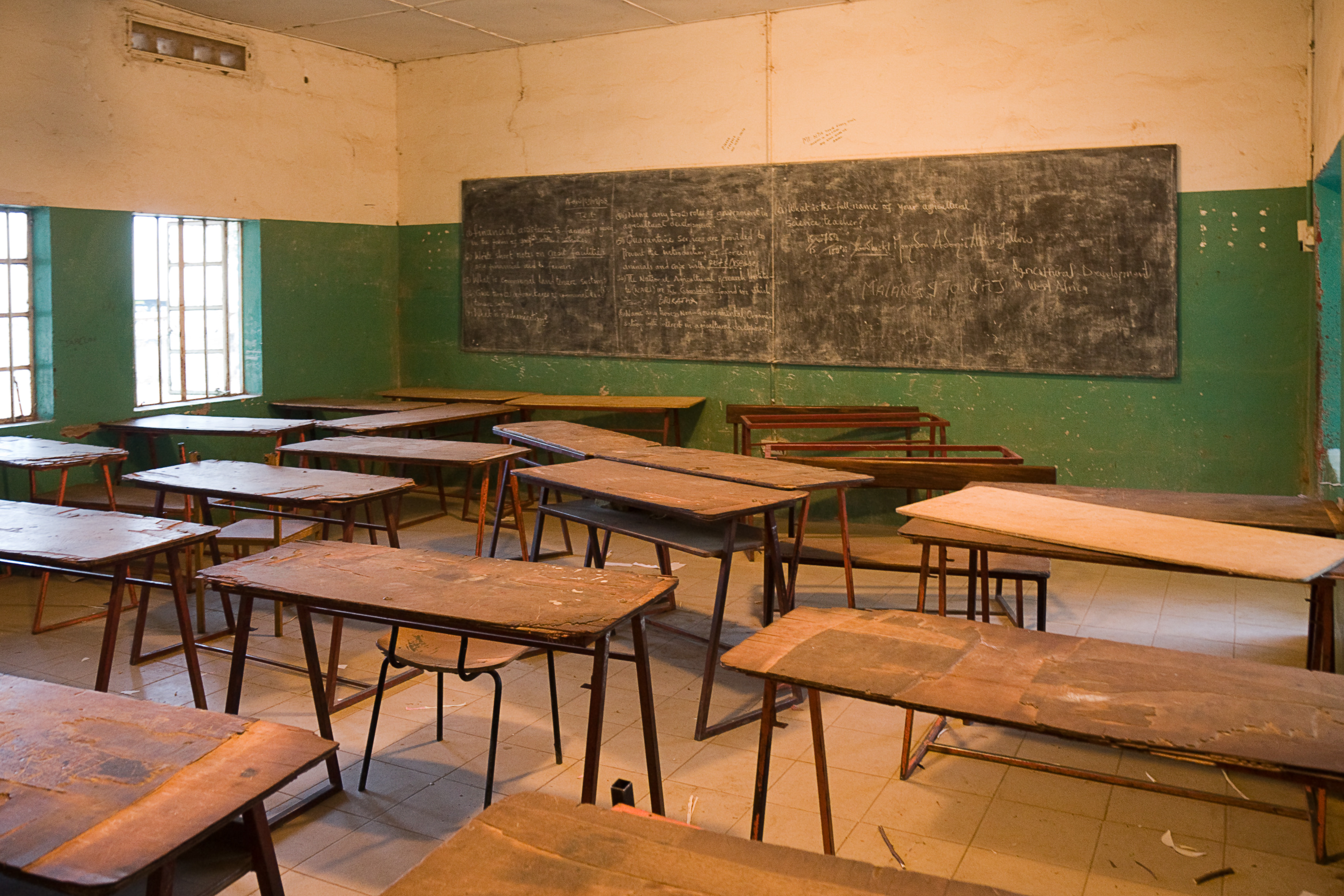

In contrast, teachers from schools in which the budget is limited can find the implementation of the above discussed technological elements very frustrating. One example of a counter measure is the creation of a database of free software, and discussion forums on cheap and creative hardware solutions.


VS

In contrast, teachers from schools in which the budget is limited can find the implementation of the above discussed technological elements very frustrating. One example of a counter measure is the creation of a database of free software, and discussion forums on cheap and creative hardware solutions.

We must never forget that education is a right for
everybody, and that it is our task to make education as democratic as possible.

No hay comentarios:
Publicar un comentario